
Marketing Red Flags vs Green Flags: What Healthy Marketing Looks Like in 2026
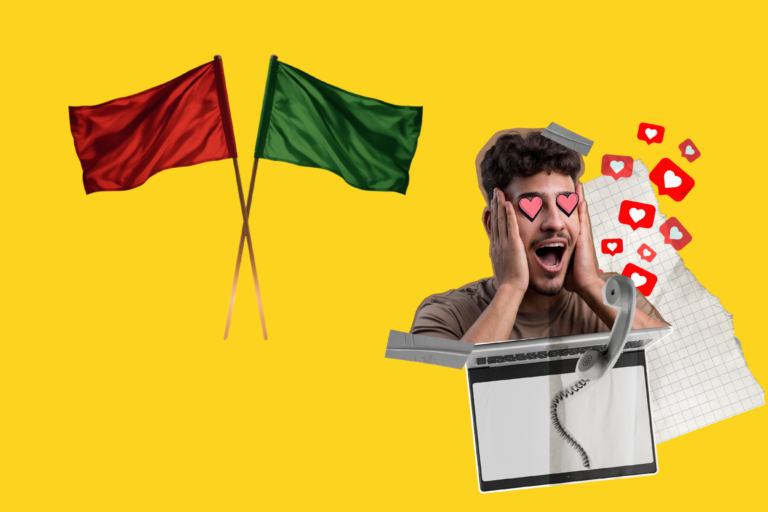
If your marketing has been giving you the bare minimum lately… that’s a red flag 🚩
We see it often: brands posting sporadically, chasing trends too late, or showing up with no clear personality or strategy. As a result, it’s frustrating, and it rarely ends well.
The good news? Once you know what bad marketing looks like, it becomes much easier to recognise what healthy marketing actually is.
So, here’s how to spot the marketing red flags to avoid, and the green flags you should be aiming for in 2026.
Marketing Red Flags (When It’s Time to Break Up)
1. Posting Once… Then Disappearing for Months
Inconsistent posting signals uncertainty, not mystery. When brands disappear for long stretches, audiences forget them, algorithms deprioritise them, and momentum is lost.
Consistency doesn’t mean constant posting. It means showing up with intention and reliability.
2. No Strategy, Just Vibes
Posting without a strategy usually looks like:
- Random content
- Mixed messaging
- No clear goal or direction
If content isn’t tied to a bigger picture, it becomes noise, not marketing.
3. Jumping on Trends Long After They’ve Died
Chasing trends late often signals:
- Lack of planning
- Reactive decision-making
- Weak positioning
Not every trend is right for every brand, and timing matters more than participation.
4. Zero Brand Personality
If your content could belong to any brand in your industry, that’s a problem.
Brands without personality struggle to:
- Build trust
- Stand out
- Be remembered
And in crowded markets, forgettable is expensive.
Marketing Green Flags (What Healthy Marketing Looks Like in 2026)
So what does good marketing look like now?
1. Clear, Confident Messaging
Healthy brands know:
- Who they’re speaking to
- What they stand for
- Why they’re different
Clear messaging makes it easier for people, and algorithms to understand, trust, and choose you.
2. Consistent Content (Not Clingy, Just Reliable)
Consistency builds familiarity.
Familiarity builds trust.
The strongest brands show up regularly with aligned messaging not random bursts of activity.
3. A Brand Voice with Actual Personality
Healthy marketing sounds human.
It has a point of view.
It’s recognisable.
It feels intentional, not templated.
Personality isn’t about being loud. It’s about being clear.
4. Paid and Organic Working Together
In 2026, strong marketing isn’t “paid vs organic”, it’s paid + organic.
When these channels support each other:
- Visibility increases
- Messaging stays consistent
- Performance improves
That’s what a healthy relationship looks like.
The Takeaway
If your marketing feels inconsistent, unclear, or like hard work with little return, it’s not a content issue. It’s a strategy issue.
At Klick Kulture, we help brands move from reactive marketing to structured, scalable growth.
If you’re ready to fix what’s not working, let’s talk.
FAQs
What are marketing red flags?
Marketing red flags include inconsistent posting, lack of strategy, weak brand messaging, and reactive content decisions.
What does a good marketing strategy look like in 2026?
A strong strategy includes clear messaging, consistent content, aligned paid and organic efforts, and a defined brand voice.
Why is consistency important in marketing?
Consistency builds trust, improves visibility, and helps audiences recognise and remember your brand.